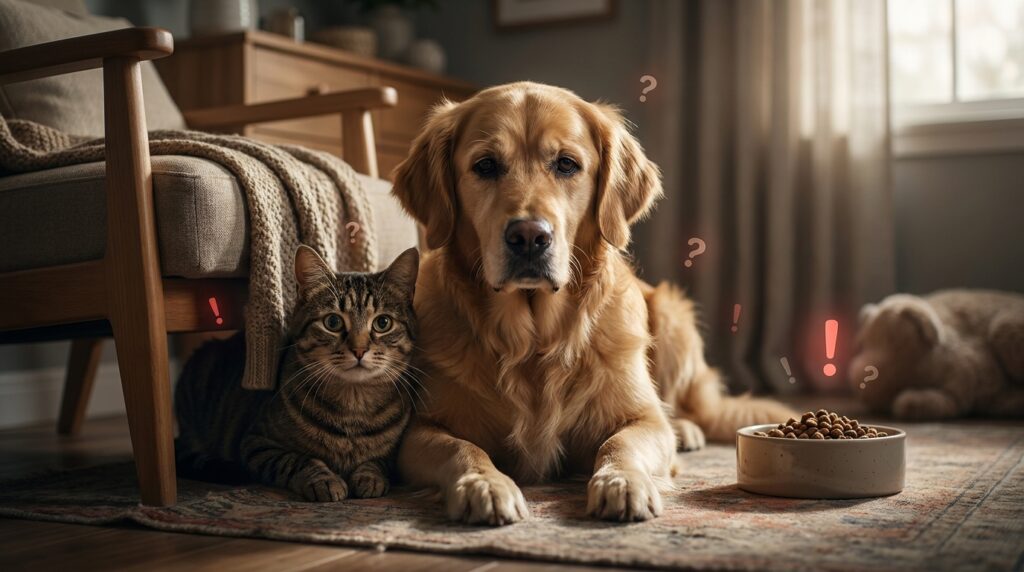
Pets cannot tell us when something is wrong. Instead, they communicate through changes in behavior, appetite, energy, and everyday habits. Sometimes these changes are easy to notice. Other times, they are so subtle that we may think our pet is simply having a bad day.
But what if your pet is actually trying to tell you that something is wrong?
Here are some important signs every pet owner should know.
1. Your Pet Suddenly Becomes Very Quiet
If your normally playful dog or curious cat suddenly becomes unusually quiet, withdrawn, or less interested in what is happening around them, pay attention.
A temporary change can happen because of stress, a change in the environment, or simply a tiring day. However, if the behavior continues or comes with other symptoms, it may be worth taking seriously.
Pets often hide discomfort. A sudden decrease in activity can sometimes be one of the first clues that they are not feeling well.
2. Your Pet Stops Eating Normally
A missed meal does not always mean something serious. Pets can occasionally eat less because of stress, changes in routine, or minor digestive problems.
But a significant or persistent change in appetite deserves attention.
If your pet suddenly refuses food, eats much less than usual, or seems interested in food but cannot eat comfortably, something may be wrong.
Watch for additional signs such as vomiting, diarrhea, unusual tiredness, or changes in drinking habits.
3. Your Pet Starts Hiding
Cats are especially known for hiding when they feel stressed or unwell, but dogs can also withdraw when something is bothering them.
If your pet suddenly starts spending more time under the bed, behind furniture, in closets, or away from the family, don’t immediately assume they are simply being antisocial.
A sudden change in where your pet chooses to rest can be a clue.
The important thing is to compare the behavior with what is normal for your individual pet. You know their personality better than anyone.
And there are still four more signs that could reveal something your pet is trying desperately to communicate…
The Small Changes You Should Never Ignore
In Part 1, we looked at sudden changes in energy, appetite, and hiding behavior. But some of the most important warning signs can appear in places many pet owners don’t think to look.
Your pet’s daily habits can reveal more than you realize.
4. Changes in Bathroom Habits
Has your pet suddenly started urinating more often, having accidents inside the house, struggling to poop, or avoiding the litter box?
These changes shouldn’t automatically be dismissed as bad behavior.
Changes in bathroom habits can sometimes be connected to stress, changes in routine, digestive problems, or other health issues. Cats, in particular, may show subtle changes in litter-box behavior when something is bothering them.
Pay attention to how often your pet goes, whether they seem uncomfortable, and whether there are noticeable changes in urine or stool.
If your pet is repeatedly straining to urinate, unable to urinate, or appears to be in significant pain, seek veterinary care promptly.
5. Your Pet’s Breathing Changes
Breathing is another sign worth watching closely.
If your dog or cat begins breathing unusually fast while resting, coughing repeatedly, wheezing, struggling to breathe, or showing obvious difficulty getting comfortable, don’t ignore it.
A pet that is having trouble breathing can require urgent veterinary attention.
The key is knowing what is normal for your pet. Heavy breathing after exercise can be normal. Persistent or unexplained breathing difficulty is different.
When in doubt, it’s safer to contact a veterinarian rather than waiting for the problem to become worse.
6. Your Pet Stops Grooming — or Grooms Too Much
Cats are famous for keeping themselves clean. So when a normally well-groomed cat suddenly stops grooming, their appearance may become dull, greasy, or matted.
On the other hand, excessive licking or chewing in one particular area can also be a clue that something is bothering them.
Dogs may also repeatedly lick their paws, legs, or other areas when experiencing irritation or discomfort.
Look for sudden changes rather than judging one isolated grooming session.
7. Your Pet Moves Differently
Finally, watch how your pet moves.
A pet that suddenly struggles to climb stairs, avoids jumping, walks stiffly, limps, moves more slowly, or stops participating in favorite activities may be experiencing discomfort.
Sometimes the change is incredibly subtle.
Your pet may not cry or make an obvious sound. Instead, they may simply stop doing something they used to love.
Your Pet May Be Asking Without Making a Sound
The most important lesson is simple: know your pet’s normal behavior.
When something suddenly changes and the change persists, don’t ignore it.
Not every unusual behavior means your pet is sick. But recognizing changes early can help you decide when it’s time to speak with a veterinarian.
Your pet may never be able to tell you exactly what’s wrong.
But if you pay attention, you may notice the clues before they become impossible to miss.